


Scleroderma Symptoms: Early Signs to Watch For
Scleroderma symptoms often begin in the hands — fingers that change color in the cold, puffy or swollen fingers, and skin that slowly turns tight and hard. The name itself means “hard skin.” But scleroderma can also reach deeper, affecting the joints and internal organs. This guide explains the symptoms in plain language, when to see a doctor, and how people living with scleroderma can help move research forward.
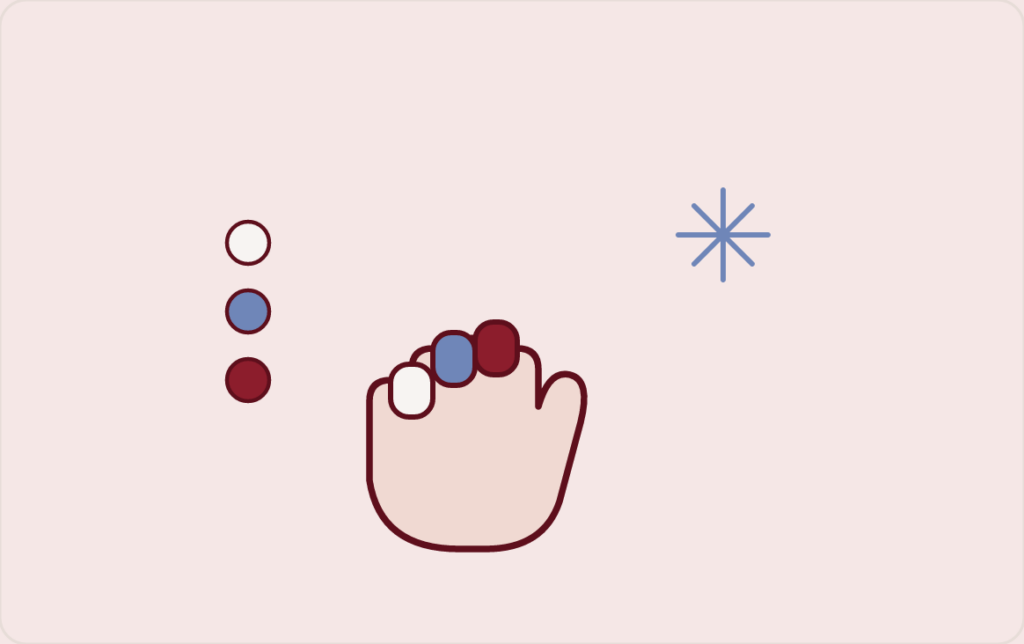
Illustration: Fingers that turn white, then blue, then red in the cold — called Raynaud’s phenomenon — are the most common first sign of scleroderma. A public-domain NIH image of Raynaud’s (via Wikimedia Commons) can be used in its place.
What is scleroderma?
Scleroderma (say it: skleer-oh-DER-muh), also called systemic sclerosis, is a long-term autoimmune condition. In an autoimmune condition, the body’s own defense system — which normally fights germs — attacks healthy parts of the body by mistake.
In scleroderma, this leads the body to make too much collagen, the protein that gives skin and tissue its structure. That extra collagen builds up like scar tissue, causing skin to tighten and harden. In some people it stays in the skin. In others, the same hardening (called fibrosis) reaches the joints, blood vessels, and internal organs such as the lungs, heart, kidneys, and digestive tract.
Scleroderma is rare — it affects roughly 2 to 3 in every 10,000 people. It is more common in women, usually starts between ages 30 and 50, and occurs more often in African-Americans. Children can develop a juvenile form.
The key thing to knowScleroderma looks different in every person. For many, the earliest clues appear in the fingers — color changes in the cold and puffy, swelling fingers — sometimes years before the skin starts to tighten.
What are the most common scleroderma symptoms?
The most common early scleroderma symptoms involve the fingers and skin: color-changing fingers, puffy hands, and skin that gradually tightens and hardens. Weakness, joint pain, and digestive trouble can follow. Here is what people notice most often:
- Color-changing fingers (Raynaud’s phenomenon). Fingers and toes turn white, then blue, then red and go numb or tingly in the cold or with stress. This is the most common early sign — present in about 90% of people with systemic scleroderma.
- Puffy, swollen fingers. Hands and fingers may look full or “sausage-like,” often worse in the morning, making it hard to close a fist.
- Tight, hardening skin. Skin — often on the fingers, hands, and face — becomes thick, shiny, and stiff, which can limit movement.
- Joint pain and stiffness. Achy, stiff hands, wrists, or knees, and sometimes muscle weakness.
- Heartburn and digestive trouble. Acid reflux, bloating, or trouble swallowing are common and can appear early.
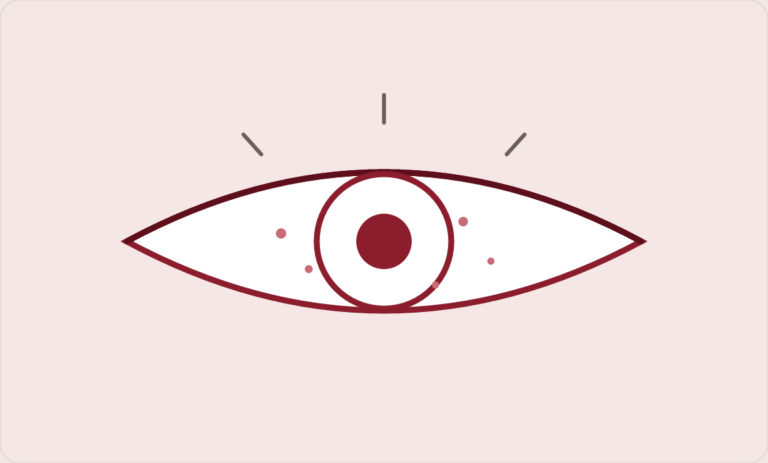
- Skin clues. Tiny red spots (telangiectasia) on the face or hands, a “salt-and-pepper” look to the skin, or small calcium lumps under the skin (calcinosis).
- Fatigue. Unusual tiredness, especially when internal organs are involved.
Because the earliest signs — cold-sensitive fingers, a little morning puffiness — can seem minor, scleroderma is often missed at first. When these signs show up together, it is worth getting checked.
Why an early diagnosis mattersScleroderma can affect the lungs, heart, and kidneys, sometimes quietly. A serious kidney complication (renal crisis) and lung scarring can develop over time. Getting diagnosed early means your care team can watch for and treat organ problems sooner, which improves outcomes.
Limited vs. diffuse scleroderma
Systemic scleroderma is often grouped into two patterns:
- Limited scleroderma — skin changes are mostly on the fingers, lower arms, lower legs, and face, and tend to progress slowly. Raynaud’s is often present for years first.
- Diffuse scleroderma — skin thickening is more widespread (including the upper arms, thighs, and trunk) and can come on quickly, with a higher chance of early organ involvement.
There is also localized scleroderma (such as morphea), which affects patches of skin but usually not the internal organs.
What causes scleroderma?
Scleroderma happens when the immune system becomes overactive and triggers inflammation and a build-up of collagen (scar tissue) in the skin and other tissues. Blood vessels can also be damaged, which is part of why Raynaud’s is so common.
Experts don’t know exactly what starts this. Like most autoimmune diseases, it is thought to come from a mix of a person’s genes and something in the environment. Scleroderma is not contagious, and it is far more common in women.
When should you see a doctor?
See a doctor — ideally a rheumatologist — if you have color-changing fingers along with puffy hands, tightening skin, or joint stiffness, especially if Raynaud’s starts later in adulthood. Many people have Raynaud’s on its own and never develop scleroderma, but the combination of signs is worth checking.
To check for scleroderma, a doctor may use:
- A skin and physical exam to look for tightening and other signs.
- Blood tests, including ANA and scleroderma-specific antibodies.
- Nailfold capillaroscopy, a close look at the tiny blood vessels at the base of the fingernails.
- Heart, lung, and kidney checks to see whether organs are involved.
There is no cure yet, but treatments — from medicines that calm the immune system to therapies that protect the lungs, kidneys, and blood vessels — can manage symptoms and slow the disease, and many people live full lives.
Help move scleroderma research forward
Scleroderma still has no cure, and researchers can only find better treatments when people living with the condition take part in research. That often starts with something simple: a blood sample and some health information.
Sanguine Biosciences runs at-home, IRB-approved research studies that make taking part easier. A trained professional can collect your sample at home, your privacy is protected under HIPAA, and participation is voluntary and compensated. Our donor community is 50,000 members strong and growing.
Frequently asked questions
What is usually the first sign of scleroderma?
For most people it’s Raynaud’s phenomenon — fingers and toes that turn white, then blue, then red and go numb in the cold or with stress. It affects about 90% of people with systemic scleroderma. Puffy fingers and tightening skin often follow.
What does scleroderma do to the skin?
Scleroderma means “hard skin.” The immune system triggers a build-up of collagen, so patches of skin — often on the fingers, hands, and face — become swollen, then tight, hard, and shiny. This can make it harder to bend the fingers or open the mouth fully.
Is scleroderma serious?
It varies a lot. For some people it mainly affects the skin. In others it is systemic and can affect the lungs, heart, kidneys, and digestive tract, which can be serious. Getting diagnosed early lets doctors watch for and treat organ involvement.
Who gets scleroderma?
It’s rare, affecting roughly 2 to 3 in every 10,000 people. It’s more common in women, usually appears between ages 30 and 50, and occurs more often in African-Americans. Children can develop a juvenile form.
Can you take part in research if you have scleroderma?
Yes. Sanguine offers at-home, IRB-approved studies that invite people living with autoimmune conditions like scleroderma to donate a blood sample and share health information. Participation is voluntary and compensated. Learn more here.
Sources
- American College of Rheumatology — Scleroderma
- National Scleroderma Foundation — Symptoms of Scleroderma
- Mayo Clinic — Scleroderma: Symptoms and causes
- Johns Hopkins Medicine — Scleroderma Symptoms
This article is for general education only and is not medical advice. It is not a substitute for a diagnosis or care from a qualified healthcare professional. If you think you may have symptoms of scleroderma, talk with your doctor.
Interested in participating?
Join the Sanguine donor community and get matched to studies that fit your health profile and location.