


Sjögren’s Symptoms: Early Signs to Watch For
Sjögren's symptoms usually start with dryness — gritty, burning eyes and a mouth that feels like cotton. But Sjögren's syndrome is a whole-body condition that can also cause deep fatigue, joint pain, and brain fog. Because the signs build slowly, it is often missed for years. This guide explains the symptoms in plain language, when to see a doctor, and how people living with Sjögren's can help move research forward.
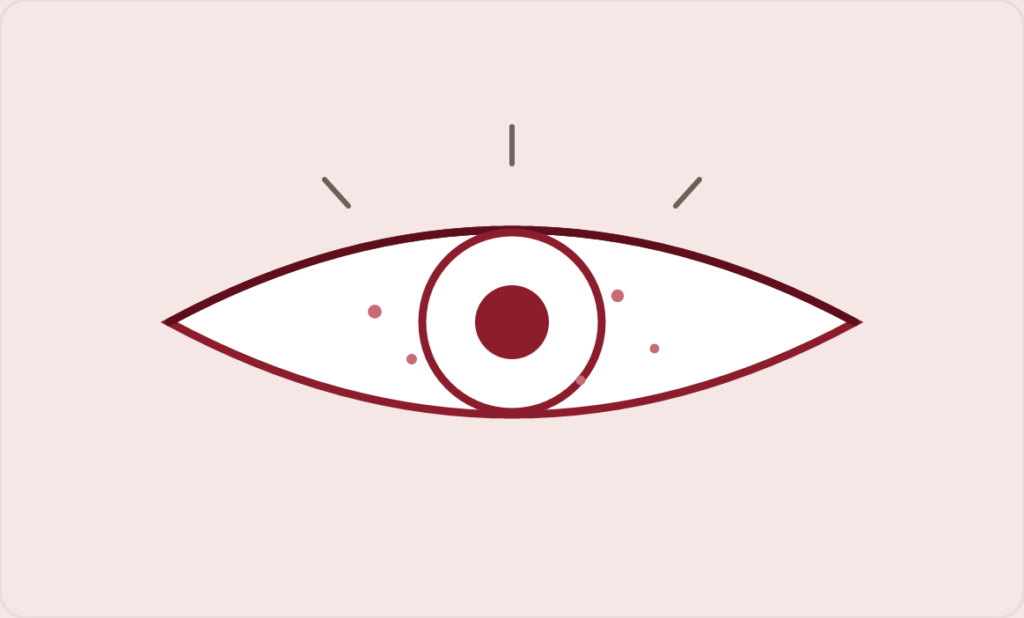
Illustration: Dry, gritty eyes are one of the most common first signs of Sjögren’s. A public-domain anatomical diagram of the tear glands (Gray’s Anatomy, 1918, via Wikimedia Commons) can be used in its place.
What is Sjögren’s syndrome?
Sjögren’s syndrome (say it: SHOW-grinz), now often called Sjögren’s disease, is a long-term autoimmune condition. In an autoimmune condition, the body’s own defense system — which normally fights germs — attacks healthy parts of the body by mistake.
In Sjögren’s, that attack lands on the glands that make moisture, especially the glands that produce tears and saliva. When those glands are damaged, the eyes and mouth dry out. But Sjögren’s is a whole-body condition, and it can also affect the joints, skin, nerves, lungs, and kidneys.
It is more common than many people think — an estimated 1 to 4 million people in the United States have it. It mostly affects women (by some estimates about nine times more often than men), and most people are diagnosed after age 40. The condition is named after Henrik Sjögren, the Swedish eye doctor who first described it.
The key thing to knowThe two best-known Sjögren’s symptoms are dry eyes and dry mouth. But in a large patient survey, more than half of the most common symptoms had nothing to do with dryness. Every person’s experience is different.
What are the most common Sjögren’s symptoms?
The most common Sjögren’s symptoms are dry eyes and dry mouth, along with fatigue, joint pain, and brain fog. In a survey of more than 6,000 patients, the top five symptoms were dry eyes (95%), dry mouth (93%), fatigue (90%), joint pain (81%), and brain fog (77%). Here is what people notice most often:
- Dry, gritty eyes. Eyes may burn, itch, or feel like there is sand in them. You may notice blurry vision, redness, watering, or trouble with bright light.
- Dry mouth. Your mouth may feel chalky or cottony. It can be hard to swallow, speak, or taste, and you may wake at night needing a sip of water. Dry mouth also leads to more cavities.
- Fatigue. A deep, ongoing tiredness that rest doesn’t fully fix — one of the most common and draining symptoms.
- Joint and muscle pain. Achy, stiff, or swollen joints and sore muscles.
- Brain fog. Trouble concentrating, thinking clearly, or remembering things.
- Swollen glands. Puffiness or tenderness in the glands behind the jaw and in front of the ears.
- Other dryness. A dry nose, throat, or skin, a dry cough, or vaginal dryness.
Because the dryness can be mild at first — and comes on slowly — many people blame it on getting older, allergies, or a medication side effect. That is one reason Sjögren’s can take years to diagnose.
Why a diagnosis mattersMost people manage Sjögren’s well. But because it affects the whole body, it can cause dental damage and, in a small number of people, raise the risk of a lymph node cancer called non-Hodgkin lymphoma. Getting diagnosed means your care team can watch for problems early.
Primary vs. secondary Sjögren’s
Doctors often describe Sjögren’s in two forms:
- Primary Sjögren’s — the condition develops on its own, not because of another disease.
- Secondary Sjögren’s — it develops alongside another autoimmune disease, most often rheumatoid arthritis or lupus.
This overlap is common, which is part of why Sjögren’s can be tricky to pin down.
What causes Sjögren’s syndrome?
Sjögren’s happens when the immune system attacks the glands that make tears and saliva. The resulting inflammation damages those glands, so they make less moisture — which leads to the dryness in the eyes and mouth.
Experts don’t know exactly what sets this off. It is likely a mix of genes, hormones, and something in the environment (such as a virus) acting together. Sjögren’s is not contagious. It is far more common in women, and it often runs alongside other autoimmune diseases.
When should you see a doctor?
See a doctor if you have ongoing dry eyes or dry mouth — especially if it comes with fatigue, joint pain, or swollen glands. Sjögren’s can take time to diagnose (on average, about three years), so sharing every detail of what you feel really helps.
There is no single test for Sjögren’s. To check for it, a doctor may use:
- A Schirmer’s test, which uses a small paper strip to measure how many tears your eyes make.
- An eye surface exam with special drops that reveal dry or damaged spots.
- Saliva tests to measure how much your mouth produces.
- Blood tests that look for antibodies linked to Sjögren’s (such as anti-Ro/SSA).
- A lip biopsy, a tiny sample from inside the lip, to check for inflammation.
There is no cure yet, but treatments — from eye drops and saliva-boosting medicines to therapies that calm the immune system — can manage symptoms well, and many people live full, active lives.
Help move Sjögren’s research forward
Sjögren’s still has no cure and few approved treatments — and that only changes when people living with the condition take part in research. That often starts with something simple: a blood sample and some health information.
Sanguine Biosciences runs at-home, IRB-approved research studies that make taking part easier. A trained professional can collect your sample at home, your privacy is protected under HIPAA, and participation is voluntary and compensated. Our donor community is 50,000 members strong and growing.
Frequently asked questions
What are the first signs of Sjögren’s syndrome?
Usually dry, gritty eyes and a dry mouth. Many people also feel unusually tired and have joint pain. Because the dryness builds slowly, it is often mistaken for aging, allergies, or a medication side effect.
Is Sjögren’s more than just dryness?
Yes. It is a whole-body autoimmune disease. In a large patient survey, more than half of the most common symptoms had nothing to do with dryness — including fatigue, joint pain, and brain fog. It can also affect the joints, skin, nerves, lungs, and kidneys.
Is Sjögren’s syndrome serious?
Many people manage it well. But because it is systemic, it can lead to dental damage and, in a small number of people, a higher risk of a lymph node cancer called non-Hodgkin lymphoma. That is why diagnosis and regular check-ups matter.
Who gets Sjögren’s syndrome?
It can affect anyone, but it mostly affects women — by some estimates about nine times more often than men. Most people are diagnosed after age 40. An estimated 1 to 4 million people in the U.S. have it.
Can you take part in research if you have Sjögren’s?
Yes. Sanguine offers at-home, IRB-approved studies that invite people living with autoimmune conditions like Sjögren’s to donate a blood sample and share health information. Participation is voluntary and compensated. Learn more here.
Sources
- National Institute of Arthritis and Musculoskeletal and Skin Diseases (NIAMS) — Sjögren’s Disease
- Sjögren’s Foundation — Signs and Symptoms
- Mayo Clinic — Sjogren disease: Symptoms and causes
- Johns Hopkins Medicine — Sjögren’s Syndrome Symptoms
This article is for general education only and is not medical advice. It is not a substitute for a diagnosis or care from a qualified healthcare professional. If you think you may have symptoms of Sjögren’s syndrome, talk with your doctor.
Interested in participating?
Join the Sanguine donor community and get matched to studies that fit your health profile and location.