

Myositis Treatment: Options and What to Expect
Myositis treatment can't cure the disease yet, but it can do a great deal: calm the immune attack on your muscles, rebuild strength, and often bring the condition into remission. Most people start with a corticosteroid, then add other medicines and physical therapy chosen to fit their type of myositis. This guide explains the main treatment options in plain language, what to expect, and how people living with myositis can help research find better ones.
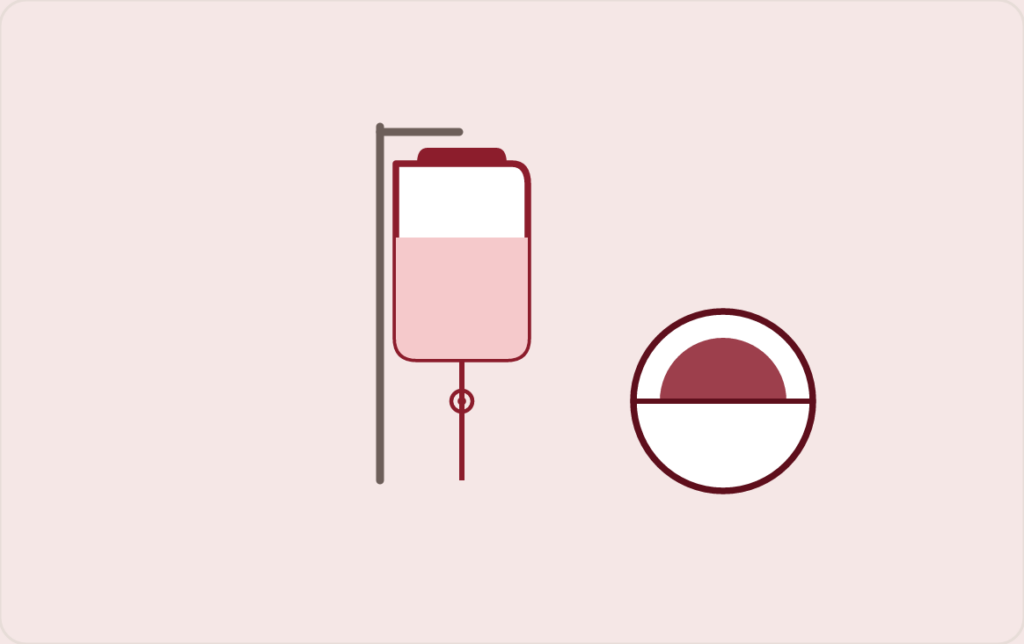
Illustration: Myositis treatment often combines infusion therapies (such as IVIG) with oral immune-calming medicines and physical therapy. A public-domain U.S. Air Force photo of IV therapy is available via Wikimedia Commons.
How is myositis treated?
Myositis (inflammation of the muscles) is usually a long-term autoimmune condition, which means the immune system mistakenly attacks the muscles. There is no cure yet, so treatment has three goals: calm that immune attack, protect and rebuild muscle strength, and keep symptoms under control — ideally reaching remission, where the disease goes quiet.
There is no single treatment that works for everyone. Your plan depends on the type of myositis, how severe it is, and whether the lungs, skin, or swallowing muscles are involved. Care is usually led by a rheumatologist or neurologist, often with a physical therapist and other specialists. Treatment is adjusted over time based on how you respond and on regular blood tests.
The key thing to knowMyositis is often highly treatable. Most people improve with treatment, and many reach remission. The main exception is inclusion body myositis, which responds poorly to immune medicines — there, exercise and physical therapy do the most good.
Corticosteroids: the usual first step
For most types of myositis, treatment begins with a corticosteroid such as prednisone. Steroids work quickly to reduce inflammation and quiet the overactive immune response, which often improves strength within weeks.
Because long-term, high-dose steroids can cause side effects — weight gain, thinning bones, higher blood sugar, and mood changes — doctors usually prescribe a higher dose at first and then slowly lower it as symptoms improve. Your care team may also recommend calcium, vitamin D, or bone-protecting steps along the way.
ImportantNever stop or change a steroid dose on your own. Steroids need to be lowered gradually under a doctor’s guidance — stopping suddenly can be harmful.
Immune-calming (steroid-sparing) medicines
To control the disease with less steroid over time, doctors often add a second medicine that calms the immune system. These are sometimes called steroid-sparing drugs because they let the steroid dose come down. Common options include:
- Methotrexate — a widely used weekly medicine that dampens the immune attack.
- Azathioprine — another common first choice to lower the steroid dose.
- Mycophenolate mofetil — often used, including when the lungs are involved.
- Tacrolimus or cyclosporine — calcineurin inhibitors used for harder-to-control disease.
These medicines take longer than steroids to work, and they require regular blood tests to watch for effects on the liver, kidneys, and blood counts.
IVIG and infusion therapies
When steroids and steroid-sparing medicines aren’t enough, or aren’t well tolerated, the next options are often given by infusion (through a vein):
- Intravenous immunoglobulin (IVIG). A concentrated mix of antibodies from healthy donors that helps regulate the immune system. IVIG (brand Octagam 10%) is FDA-approved for dermatomyositis and is also used off-label for other types. It can help both muscle weakness and the dermatomyositis skin rash.
- Rituximab. A medicine that targets certain immune cells (B cells), used mainly for cases that don’t respond to standard treatment.
As of 2026, there is no biologic drug approved specifically for myositis, but several are being studied — including JAK inhibitors, abatacept, and, in early research, CAR T-cell therapy. Anti-TNF drugs are generally not recommended for myositis.
Physical and occupational therapy
Medicine calms the disease, but rebuilding strength takes movement. Physical therapy and guided exercise are a core part of treatment. A physical therapist can design a safe program to restore strength and keep muscles flexible, which also helps reduce stiffness and future flares.
Occupational therapy helps with everyday tasks — dressing, cooking, writing — and can suggest tools or adjustments that make daily life easier, which is especially valuable for hand and grip weakness. For inclusion body myositis, which doesn’t respond well to immune medicines, exercise and physical therapy are considered the most useful tools for staying active.
Treating specific situations
- Dermatomyositis skin rash. Because sunlight can trigger it, daily sunscreen and sun-protective clothing are strongly recommended, along with other skin treatments your doctor may prescribe.
- Medication-related myositis. If a medicine (such as certain cholesterol-lowering statins) triggered the muscle inflammation, the first step is usually stopping that medicine under medical guidance. One rare statin-linked form needs ongoing immune treatment even after the statin is stopped.
- Infection-related myositis. When an infection is the cause, treatment targets the infection itself.
- Swallowing, breathing, or lung involvement. These need close monitoring and more intensive treatment, since they can be serious.
Help find better myositis treatments
Every myositis treatment available today exists because people took part in research — and better options depend on more people doing the same. It often starts with something simple: a blood sample and some health information.
Sanguine Biosciences runs at-home, IRB-approved research studies that make taking part easier. A trained professional can collect your sample at home, your privacy is protected under HIPAA, and participation is voluntary and compensated. Our donor community is 50,000 members strong and growing.
Frequently asked questions
Can myositis be cured?
There’s no cure yet, but myositis is often highly treatable. With the right combination of medicines and physical therapy, many people regain strength and reach remission, where the disease is quiet. Treatment is usually long-term and adjusted over time.
What is the first-line treatment for myositis?
Most people start with a corticosteroid such as prednisone to quickly calm the immune attack. Doctors often add a steroid-sparing medicine — like methotrexate or azathioprine — so the steroid dose can be lowered over time to reduce side effects.
Is there an FDA-approved treatment for myositis?
IVIG (brand Octagam 10%) is FDA-approved for dermatomyositis. Many other medicines used for myositis, including methotrexate and rituximab, are prescribed off-label. As of 2026 there’s no biologic approved specifically for myositis, though several are being studied.
Does exercise or physical therapy help myositis?
Yes. Physical therapy and guided exercise help rebuild strength and keep muscles flexible. For inclusion body myositis, which responds poorly to immune medicines, exercise and physical therapy are considered the most useful tools.
Can you take part in myositis research?
Yes. Sanguine offers at-home, IRB-approved studies that invite people living with autoimmune conditions like myositis to donate a blood sample and share health information. Participation is voluntary and compensated. Learn more here.
Sources
- Muscular Dystrophy Association — Polymyositis: Medical Management
- Cleveland Clinic — Myositis
- Mayo Clinic — Polymyositis: Diagnosis & treatment
- The Myositis Association — Types of Myositis
This article is for general education only and is not medical advice. It is not a substitute for a diagnosis, treatment, or care from a qualified healthcare professional. Treatment decisions, including any medication changes, should always be made with your doctor. Never start or stop a prescribed medicine on your own.
Interested in participating?
Join the Sanguine donor community and get matched to studies that fit your health profile and location.